TL;DR: PrEP can reduce the risk of getting HIV from sex by about 99% when taken as prescribed, but many people worry they can’t afford it without insurance.
PrEP without insurance may still be possible through federal programs, manufacturer assistance, local clinic support, and free or low-cost testing options.
At The McGregor Clinic in Fort Myers, the team can help you understand what resources may be available, guide you through the process, and support you in taking the next step toward HIV prevention.
PrEP (pre-exposure prophylaxis) is a powerful HIV prevention medication. You may know it can reduce the risk of getting HIV from sex by about 99% when taken as prescribed. You may even know someone who feels more confident because of it.
But knowing PrEP works and knowing how to pay for it are two very different things.
For many people, the biggest roadblock is cost. You search the price, see a number that makes your stomach drop, and suddenly, PrEP without insurance feels out of reach before the conversation even starts.
But that first price you see isn’t always the full story. There may be programs that can lower the cost or, for some people, cover PrEP completely.
At The McGregor Clinic in Fort Myers, we help people sort through those options every day. You can show up with questions, concerns, and a starting point.
If cost has been standing between you and PrEP, let’s start there.
It makes sense to feel unsure about the cost of PrEP. Healthcare costs can be confusing, and many people have had stressful experiences trying to understand what’s covered, what isn’t, and what they may be expected to pay.
When people search for PrEP costs online, they may see prices for brand-name medications like Truvada or Descovy that exceed $2,000 per month. Seeing a number like that can make PrEP feel unaffordable.
PrEP also includes regular medical check-ins. Before starting, you’ll need an HIV test and basic lab work, including a kidney function check. While taking PrEP, you’ll usually have follow-up testing every few months. It’s understandable to worry about those costs, too.
Sometimes the hardest part is knowing where to start. Assistance programs, eligibility rules, and applications can feel overwhelming when you’re trying to figure them out on your own.
If you don’t have insurance, PrEP may still be within reach. There are programs designed to help lower the cost of PrEP or, in some cases, cover the medication for eligible people.
Understanding your options can make the process less overwhelming. Here are a few programs and resources that may help:
Ready, Set, PrEP is a federal program that may provide free PrEP medication to people without prescription drug coverage. This program helps cover the cost of the medication, but it may not cover clinic visits or lab work.
You can apply online or by phone. This can be a helpful option, but you’ll still need a provider who can prescribe PrEP, order the right lab tests, and help you stay on track with follow-up care.
Some medication manufacturers offer assistance programs for uninsured or underinsured individuals.
Gilead Sciences, the maker of Truvada and Descovy, offers Gilead Advancing Access, which may help eligible people get PrEP medication at no cost.
Eligibility often depends on your income and insurance status. You may need to provide some documents as part of the application.
While approval isn’t guaranteed, these programs have helped many people access PrEP despite cost concerns.
Depending on where you live, state health departments, local clinics, and HIV service organizations may offer additional support for PrEP costs.
In Florida, some programs may help with HIV prevention services, including PrEP-related care.
Each program is different. Some may help with medication costs, while others may support lab work, testing, or clinic visits.
A local clinic that understands these resources can help you figure out what may be available and what steps to take next.
National programs can help make PrEP more affordable, but local support can make the process easier to understand and access.
In Fort Myers and the surrounding Southwest Florida area, there may be several resources available to help you start PrEP, even if you don’t have insurance.
Community health centers may offer care on a sliding fee scale based on your income. This can lower the cost of clinic visits, lab work, and other services.
These centers also help connect you with prescription assistance programs that can reduce the cost of PrEP.
Clinics that specialize in HIV prevention and care often understand the different programs that can help cover PrEP, testing, and follow-up care.
The McGregor Clinic provides PrEP services and can help you understand your options, complete needed steps, and stay connected to care.
Before starting PrEP, you’ll need an HIV test to confirm your status. Free HIV testing in Fort Myers can help remove one cost from the process.
The McGregor Clinic offers HIV testing as part of our services so that you can take that first step in a supportive, confidential setting.
You may still have questions, and that’s okay. You may not know which programs you qualify for, what the application process looks like, or how much PrEP may cost for you. You don’t need to have all the answers before reaching out.
What matters is knowing that options may be available. Many people in Fort Myers have been able to access PrEP without insurance through local resources, patient assistance programs, and support from care teams who understand the process.
At The McGregor Clinic, we’re here to help you take that next step with less confusion and more support.
Our team can walk you through possible resources, answer your questions, and help you understand what may be available for your situation.
If you’re ready to learn more, reach out to us. Your health matters, and we’re here to help you figure out what’s possible.
It may be possible. Programs like Ready, Set, PrEP can provide free PrEP medication to eligible people without insurance.
Manufacturer assistance programs may also help cover medication costs based on your income and situation.
You may still need help covering the cost of clinic visits or lab work, but a clinic that understands these programs can help you explore what support is available.
Every program has different rules, so it’s still worth asking. If you don’t qualify for one program, you may qualify for another.
Generic PrEP options, sliding-scale clinics, or local support programs may also help make PrEP more affordable.
Approval times can vary. Some people may hear back within a few days, while others may wait longer.
Having your documents ready, such as proof of income or insurance status, can help the process move more smoothly.
Your healthcare provider can also guide you through the application and explain what to expect while you wait.
Most assistance programs focus on factors such as income and insurance status. However, you’ll still need to talk with a healthcare provider to make sure PrEP is right for you.
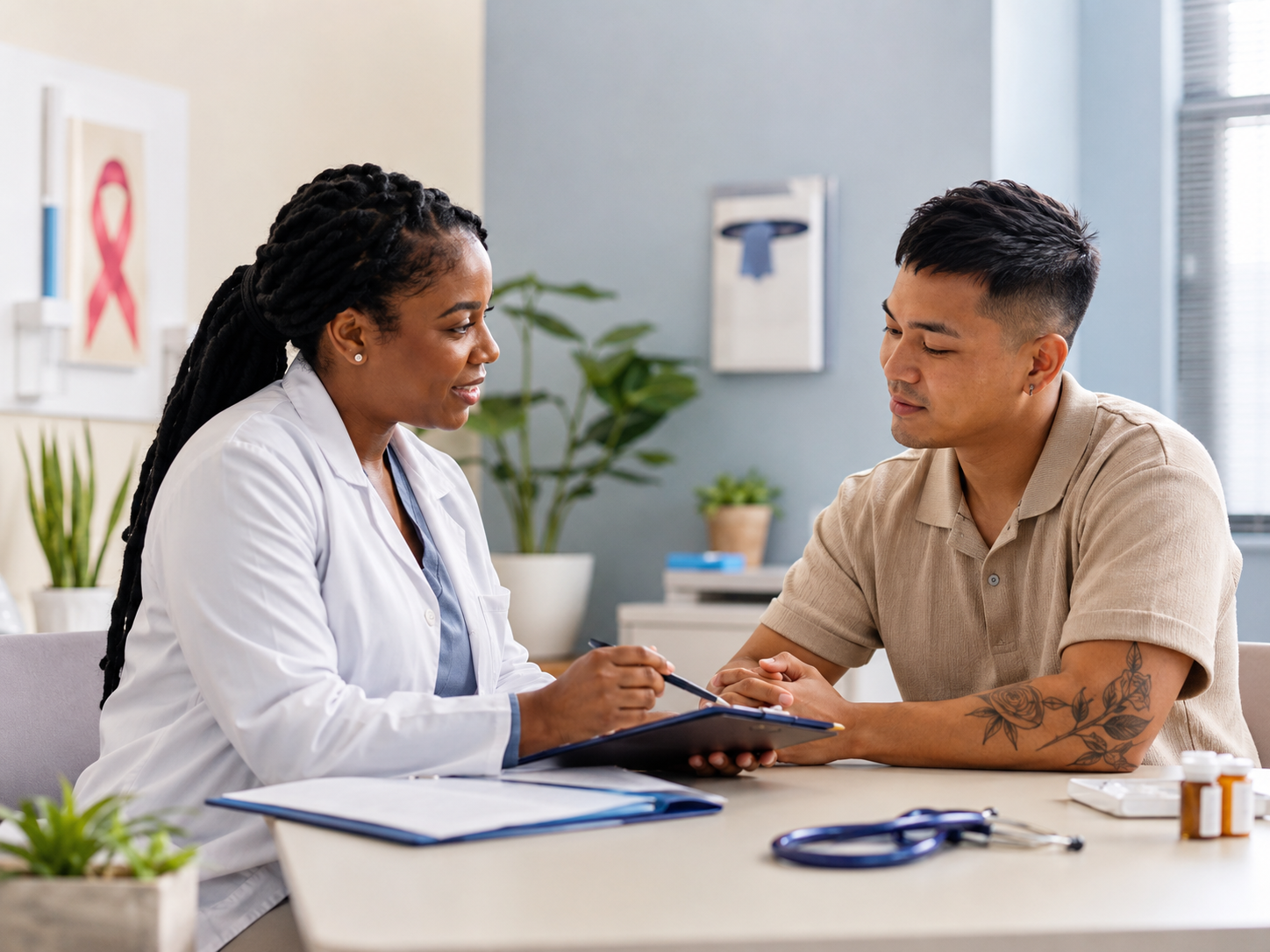
That conversation is private and supportive. Your provider is there to understand your health needs, answer your questions, and help you make the best prevention choice for your situation.
Disclaimer: We're passionate about sharing helpful insights and information with our community. Please remember, this blog is for educational purposes and should not replace a conversation with your personal healthcare provider. Your health is unique, so you should always consult a medical professional for any specific concerns or treatment. If you have questions or wish to discuss your care, McGregor Clinic is here to help.