HIV And
hepatitis co-infection

BOOK APPOINTMENT
If you are living with HIV, there is something important your care team should be checking that does not always get discussed: hepatitis.

Hepatitis B and hepatitis C are liver infections caused by viruses. On their own, they are serious conditions that require monitoring and, in many cases, treatment. But for people living with HIV, the risks associated with hepatitis infection are significantly higher — and the connection between the two is something every person living with HIV deserves to understand.

At McGregor Clinic, we screen for HIV, hepatitis B, and hepatitis C together — because your full health picture matters, not just one part of it.

People living with HIV are approximately 6 times more likely to acquire hepatitis C than HIV-negative individuals.

10%

Of people living with HIV globally are also living with hepatitis B — often without knowing it.

Both are treatable.

Hepatitis B can be prevented with a vaccine. Hepatitis C can be cured with medication in most cases. Early detection is key.

THE BASICS

What is hepatitis?

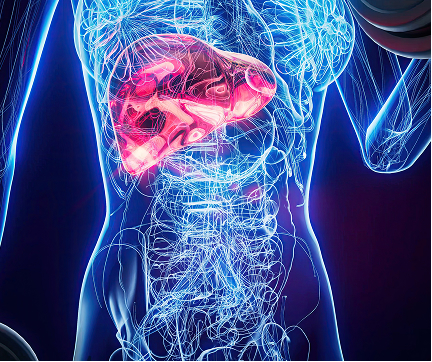
Hepatitis refers to inflammation of the liver. It can be caused by several different 
viruses — the most clinically significant are hepatitis A, B, and C.
Hepatitis A is typically transmitted through contaminated food or water and usually resolves on its own. Vaccination is available and recommended.

Hepatitis B (HBV) is transmitted through blood, sexual contact, and from mother to child during birth. It can become a chronic infection and, over time, lead to liver damage, cirrhosis, or liver cancer if untreated. A highly effective vaccine exists.

Hepatitis C (HCV) is transmitted primarily through blood-to-blood contact — most commonly through sharing needles or syringes, but also through sexual contact, particularly in men who have sex with men (MSM) with HIV. There is no vaccine for hepatitis C, but it can be cured with a short course of oral antiviral medication in most people.

THE CO-INFECTION RISK

Why are people with HIV at higher risk?

The higher risk of hepatitis co-infection among people living with HIV is not coincidental. It reflects shared transmission routes, the effects of HIV on the immune system, and patterns of healthcare access.
Shared transmission routes
HIV and hepatitis C are both transmitted through blood-to-blood contact. Hepatitis B is transmitted sexually and through blood, similar to HIV. People who have been exposed to one virus may have been exposed to the same risk factors for the other.

Immune suppression
HIV weakens the immune system by reducing CD4 cells — the white blood cells responsible for fighting infection. A suppressed immune system is less able to control hepatitis viruses, which means co-infected individuals progress to liver complications faster than people with hepatitis alone.
For people with untreated HIV and hepatitis C, liver disease can progress to cirrhosis in as few as 10–15 years — compared to 20–30 years in HIV-negative individuals.

Healthcare access
People living with HIV — particularly those in communities with less access to regular, affirming healthcare — may not have been screened for hepatitis or may not have received hepatitis B vaccination. Co-infection is more common when screening and prevention are not part of routine care.

This is exactly why comprehensive screening matters.

CO-INFECTION AT A GLANCE

HIV + Hepatitis B

How common: Approximately 10% of people living with HIV globally also have chronic hepatitis B.

What it means: HBV co-infection accelerates liver damage. Some antiretroviral medications used to treat HIV are also active against hepatitis B — meaning your HIV treatment can serve double duty, but only if your care team knows you have both.

Vaccination: If you are HIV-positive and do not have hepatitis B, vaccination is strongly recommended. The hepatitis B vaccine is highly effective and is part of standard HIV care.

Monitoring: Regular liver function tests and HBV DNA monitoring are part of co-infection care.

HIV + Hepatitis B

How common: HIV-positive individuals are approximately 6 times more likely to acquire HCV. In certain populations — particularly MSM — rates of HIV/HCV co-infection are significantly higher.

What it means: HCV co-infection accelerates liver fibrosis and increases the risk of liver failure and liver cancer. However, hepatitis C is now curable in the vast majority of cases with 8–12 weeks of oral antiviral medication.

Curable — yes, curable: Modern direct-acting antivirals (DAAs) achieve cure rates of over 95% for most people. This is one of the most significant medical advances of the last decade.

Important:
Treating and curing hepatitis C does not protect against re-infection. Prevention education and harm reduction remain important.

SYMPTOMS

What does co-infection feel like?

This is where it gets complicated — and important.
Many people with hepatitis B or C have no symptoms at all for years, or even decades. When symptoms do appear, they can include:
Fatigue
Jaundice (yellowing of the skin or eyes)
Abdominal pain, particularly in the upper right area
Nausea or loss of appetite
Dark urine
Joint pain
But because hepatitis often presents without symptoms, the only reliable way to know your status is to be tested. Liver damage can progress silently long before symptoms appear — which is why screening is so critical.

If you are living with HIV and have never been tested for hepatitis B or C, please ask us about it at your next appointment.

TREATMENT AND CARE

How is co-infection treated?

HIV + Hepatitis B

Several antiretroviral medications used to treat HIV are also active against hepatitis B — including tenofovir, which is commonly included in HIV treatment regimens. This means that for many people, HIV treatment simultaneously addresses hepatitis B.

However, not all HIV regimens treat hepatitis B, and stopping some HIV medications can cause a "flare" of hepatitis B activity that can be dangerous. This is why it is critical that your care team knows your hepatitis B status before prescribing your HIV treatment.

HIV + Hepatitis C

Hepatitis C treatment for people with HIV uses the same direct-acting antiviral medications used in HIV-negative patients — and with similarly high cure rates. In most cases, HIV and HCV can be treated simultaneously.

The key is identifying co-infection through testing so treatment can begin.

At McGregor Clinic

We screen for hepatitis B and C as part of comprehensive HIV care. If co-infection is identified, we will:

  • Assess your liver health through blood tests and, where indicated, imaging
  • Review your current HIV treatment to ensure compatibility with hepatitis management
  • Refer you to a hepatology or gastroenterology specialist if needed
  • Monitor your liver function regularly as part of your ongoing care
  • Connect you with medication assistance programs if cost is a barrier to hepatitis treatment

PREVENTION

What can you do?

Get vaccinated against hepatitis B
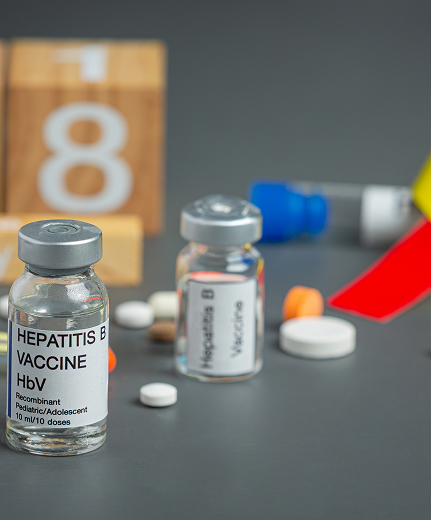
If you are living with HIV and have not been vaccinated against hepatitis B, vaccination is strongly recommended and is part of standard HIV care guidelines. The vaccine is highly effective and safe. Ask us about it at your next visit.

Get screened
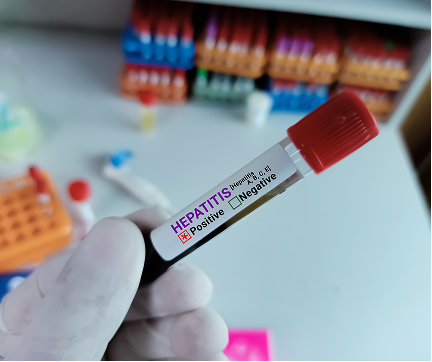
If you have never been tested for hepatitis B or C, ask for a test. Screening is simple — it is a blood test — and it can change the course of your care.

Harm reduction
Hepatitis C is most efficiently transmitted through shared injection equipment. If you use injection drugs, never share needles, syringes, or other equipment. Harm reduction programs, including syringe service programs, reduce the risk of both hepatitis C and HIV transmission and save lives.

Know your status — and your partner's
Hepatitis C can be transmitted sexually, particularly in the context of anal sex with HIV-positive partners. Condoms reduce this risk. Open conversations about testing and status protect everyone involved.

COMMON QUESTIONS

Questions about HIV and hepatitis co-infection

Possibly — some HIV medications also treat hepatitis B. But not all do, and it depends on your specific regimen. Ask your care team whether your current HIV treatment covers hepatitis B, and make sure they know your hepatitis B status.
Yes. Cure rates for hepatitis C with direct-acting antivirals are over 95% — including in people living with HIV. Being HIV-positive does not prevent you from being cured of hepatitis C.
No. Curing hepatitis C does not provide immunity against re-infection. Prevention strategies remain important after cure.
Your HIV care team needs to know your hepatitis C status. Some antiretroviral medications can interact with hepatitis C treatment, so coordination between your HIV and hepatitis care is important.

Full-picture care starts with full-picture screening

HIV and hepatitis are more connected than most people realize — and treating one without knowing about the other can leave a significant gap in your care.

At McGregor Clinic, we screen for HIV, hepatitis B, and hepatitis C together. Because you deserve a care team that sees all of you — not just part of the picture.

If you have never been screened for hepatitis, or if you have questions about co-infection and what it means for your health, we are here.

25 Years Serving Our Communities

Visit Us

3487 Broadway
Fort Myers
Florida, 33901
GET DIRECTIONS
© Copyright 2025 - InvigoMedia - All Rights Reserved
chevron-down